

Wheel Strategy Explained
The wheel is strongest when put selection is strict and assignment is planned in advance. This guide keeps the method simple for beginners while preserving risk discipline.
What you will learn in 30 seconds
- Why put-phase quality drives most wheel outcomes.
- How to treat assignment as planned transition, not failure.
- How to run a simple covered-call leg without overcomplicating execution.
Your edge is usually built before the first put is sold: underlying quality, strike context, liquidity, and portfolio fit. Covered calls should stay simple and rule-based after assignment.
1. Put setup quality is the engine
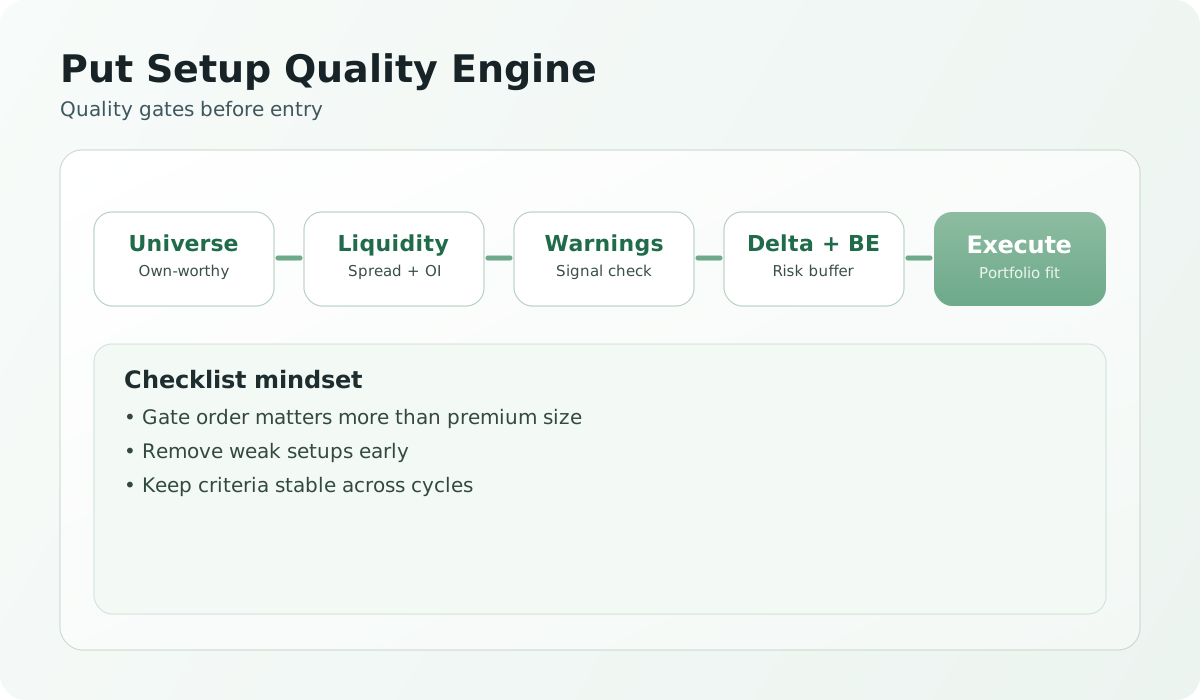
Most wheel mistakes happen before assignment, not after.
- Choose underlyings you are willing to own through weaker market phases.
- Treat liquidity and warning context as mandatory quality filters.
- Use repeatable strike logic instead of premium chasing.
2. Assignment is a planned state
Assignment should be modeled before entry, not managed as surprise.
- Reserve assignment cash for each open put position.
- Plan concentration impact after assignment, not only before entry.
- Re-check thesis quality before starting covered calls.
3. Keep covered calls operationally simple
Simple, repeatable rules usually beat complex tactical over-management.
- Use assigned basis and strike anchor for call placement.
- Accept call-away only at levels you consider acceptable outcomes.
- If thesis weakens materially, reduce risk before collecting more premium.
4. Portfolio guardrails keep wheel durable
Wheel sustainability depends on concentration control.
- Limit ticker and sector concentration from the start.
- Stagger expirations to avoid assignment clusters on one date.
- Evaluate outcomes at portfolio level, not by one contract premium.
Wheel phases and decision focus
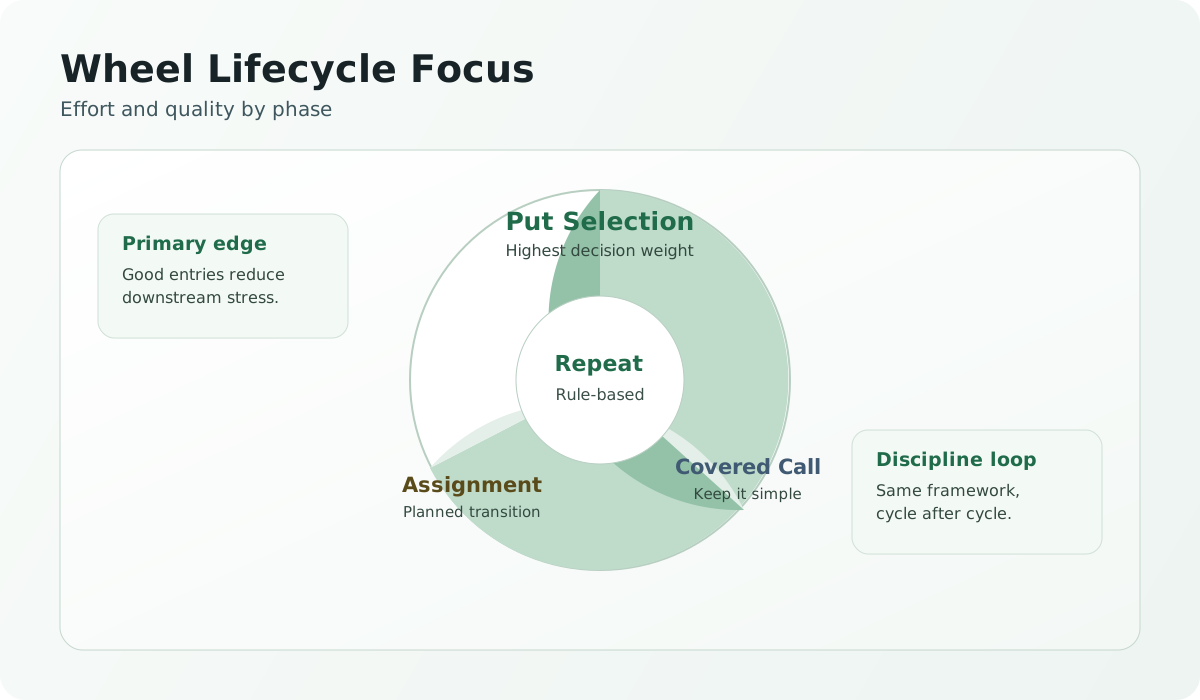
Each phase has a different objective and risk-control role.
| Phase | Objective | Risk Focus | Decision Rule |
|---|---|---|---|
| Put Selection | Enter only high-quality setups | Assignment probability and downside buffer | Use delta + BE + liquidity + warnings together. |
| Assignment Transition | Move from cash-backed option to equity position | Portfolio concentration after ownership starts | Re-check thesis and concentration before next leg. |
| Covered Call | Generate income with controlled upside trade-off | Call-away level and ongoing thesis quality | Use simple strike anchors and avoid overtrading. |
| Recycle | Return to put phase with same discipline | Process drift over time | Keep one repeatable framework across cycles. |
Practical wheel examples
Setup: Put was opened on a high-quality underlying with stable liquidity and portfolio fit.
Interpretation: Assignment becomes operational, not emotional, because entry quality was strong.
Next Step: Start simple covered-call cycle only if thesis remains intact.
Setup: Put chosen mainly for premium on weak-liquidity candidate with poor ownership conviction.
Interpretation: Assignment can create stress and weak call-leg decisions.
Next Step: Reduce position and rebuild wheel with stricter put-entry criteria.
Common wheel mistakes
- Treating wheel as premium collection only, without ownership plan.
- Skipping portfolio planning before opening multiple puts.
- Over-optimizing call leg while underinvesting in put quality.
- Running wheel on names you do not want to hold in drawdowns.
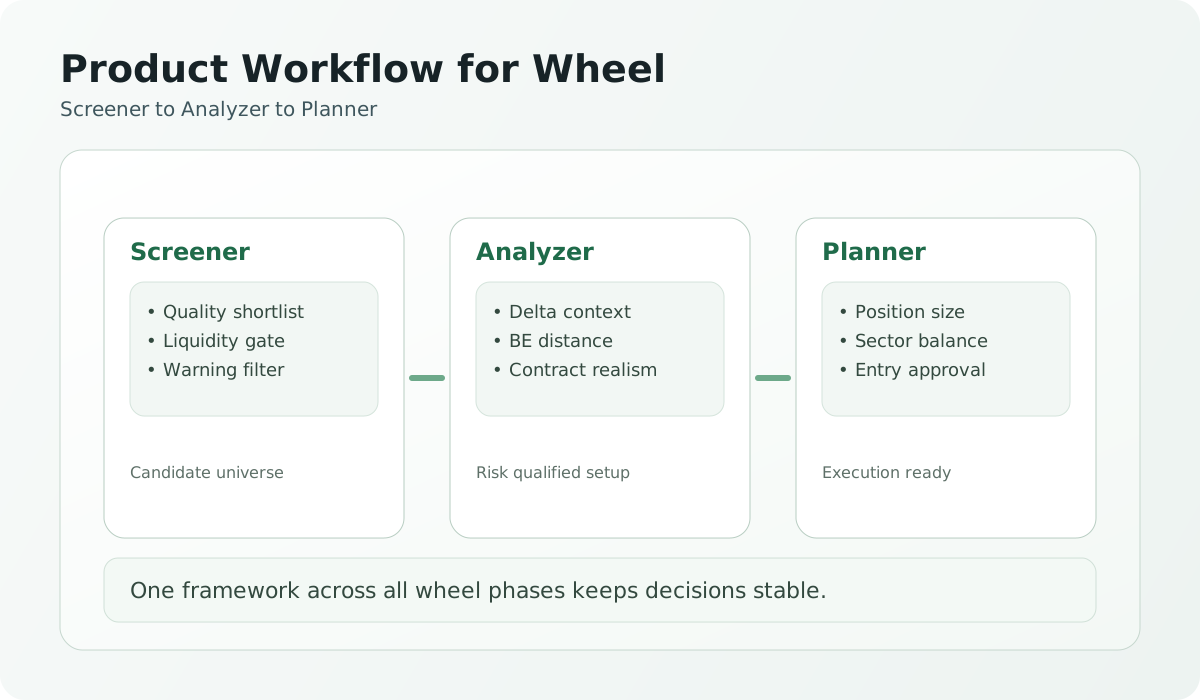
How this maps to product workflow
- ScreenerBuild a strict shortlist with quality and liquidity gates.
- Analyzer EngineValidate contract-level risk context and warning profile.
- Portfolio PlannerApprove only allocation-safe setups before entry.
- ExecutionRun put -> assignment -> covered call with same rule framework.